
Simpson Strong-Tie Products
- Hangers
- Rafter Hangers
- Hurricane Ties
- Post Caps
- Post Bases
- Brick Veneer Ledger Connecters
- Column Bases
- Composite Standoffs
- Bearing Plates
- Angles
- Nail Stoppers
Structural Connections That Handle Real Load
Simpson Strong-Tie in Richland for framing systems that transfer wind uplift, seismic lateral forces, and bearing loads through engineered connectors
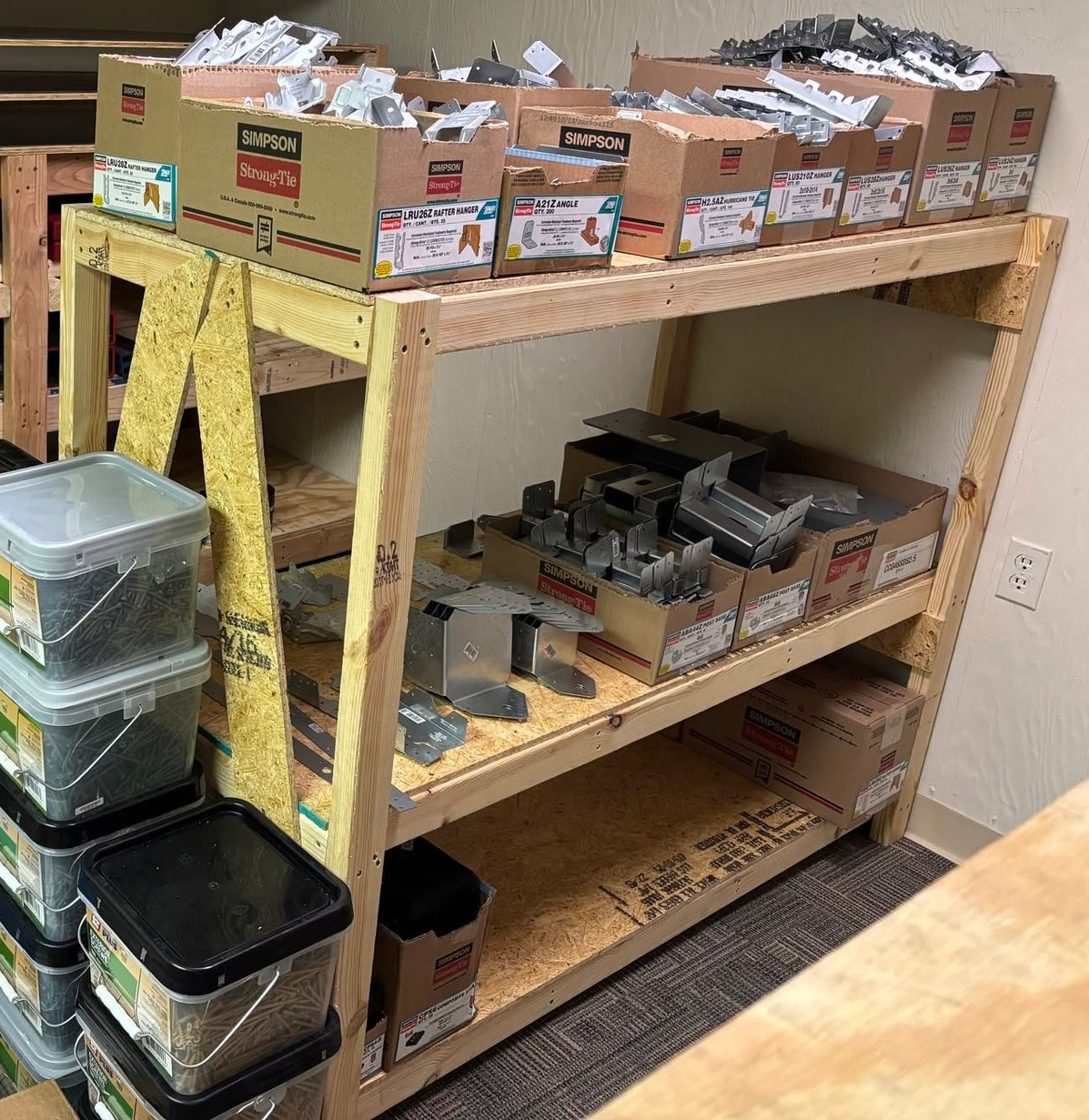
When wind events push against roof planes or seismic movement shifts walls laterally, the connection between framing members determines whether the structure holds together or joints fail at fastener points. Ready Metal Inc. serves as a full-line dealer of Simpson Strong-Tie products across Richland, stocking joist hangers, hurricane ties, holdowns, beam hangers, masonry connectors, and structural screws that engineers specify in framing plans to meet code-required load paths. You're not guessing at connector capacity when drawings call out specific Simpson part numbers designed to handle calculated shear, tension, and uplift values that standard nails and generic brackets cannot resist.
Structural connectors work by transferring forces between wood or steel members through fastener patterns that distribute load across multiple points, preventing concentration at single nails that would pull out or split the wood grain. Joist hangers support floor and ceiling joists at beams or ledgers, holdowns anchor shear walls to foundations against overturning forces, and hurricane ties resist roof uplift that tries to separate rafters from top plates during high wind conditions. Engineers select connector models based on load direction, member size, and fastener type, so the hardware matches the forces the structure will experience over its lifespan.

How Connector Fastener Patterns Distribute Force
Simpson Strong-Tie connectors include pre-punched holes positioned to align fasteners with wood grain and avoid splitting, while also spacing nails or screws to distribute shear forces across the connector surface rather than overloading any single fastener. Each connector model publishes allowable loads based on specific fastener types—ten-penny common nails, structural screws, or through-bolts—because fastener diameter, length, and material strength directly affect how much force the connection can handle before failure. When you install a joist hanger with the specified fasteners in every hole, the load transfers from the joist through the fasteners into the hanger and then into the supporting member, creating a load path that prevents joist ends from pulling away or rotating under weight.
Framing crews working with Ready Metal Inc. inventory notice that connectors stay seated during installation because the gauge thickness resists bending when fasteners drive through, and the galvanized coating handles moisture exposure common in South Jersey's humid climate without corroding and weakening over time. Holdowns anchored into concrete foundations with proper bolts resist the overturning moment shear walls experience during lateral loading, so walls don't lift at the base and lose their ability to brace the structure. Hurricane ties installed at every rafter-to-plate connection prevent roof assemblies from separating during wind events that generate uplift forces exceeding the weight of the roofing materials.
Choosing the correct connector involves matching the model's load rating to the engineer's calculations, verifying member dimensions fit the connector's seat width and depth, and confirming fastener availability matches what the installation requires. Contractors also evaluate whether the application needs standard connectors or specialty models designed for skewed angles, sloped connections, or retrofit installations where access limits fastener placement.
Questions About Structural Hardware Selection
Builders and framers ordering connectors want to ensure the hardware matches engineering specifications and handles the forces the structure will encounter.
What's the difference between face-mount and top-mount joist hangers?
Face-mount hangers attach to the side of a beam or header and support the joist from below, working best when the joist sits lower than the beam, while top-mount hangers fasten to the top edge of a beam and allow the joist to sit flush with the beam surface, maintaining a level framing plane for flooring or decking.
How do holdown ratings correspond to shear wall design?
Holdowns are rated for tension loads that resist the overturning force shear walls generate when lateral loads try to rotate the wall, and engineers calculate the required holdown capacity based on wall height, length, and the seismic or wind forces the building must withstand in Richland's climate zone.
Why do some hurricane ties have more nail holes than others?
Higher-rated hurricane ties include additional fastener holes to increase uplift resistance, and the hole pattern spreads the load across more fasteners so each nail or screw carries a smaller portion of the total force, reducing the chance of individual fastener pullout during peak wind events.
Can I substitute structural screws for nails in Simpson connectors?
Structural screws often provide higher withdrawal resistance than nails and work well in retrofit situations where access prevents full nail installation, but you must verify that the screw diameter and length match the connector's published load tables for screw fasteners rather than assuming nail and screw ratings are interchangeable.
When do masonry connectors require embedded anchors versus surface fasteners?
Embedded anchors set into mortar joints or concrete during construction provide higher shear and tension capacity because the anchor engages the masonry core, while surface fasteners installed after construction work for lighter loads but may require additional connectors to achieve the same total capacity.
Ready Metal Inc. is a Simpson Strong-Tie dealer in Richland, with the ability to obtain Simpson Strong-Tie items in a timely manner so contractors can match connector specifications to engineered framing plans without long wait times for special orders. Request a quote for the connectors and fasteners your project drawings specify.